Oct 24, 2026Water-bottle-cap-guide
5-Gallon Water Bottle Cap Problems: Diagnose Leakage, Jams and Deformation
Five problems behind most 5-gallon water bottle cap failures - leakage, sorting jams, uneven necks, fragments, blocked details - with causes, fixes and what to ask your supplier.

Five problems cause most of the trouble in 5-gallon water bottle cap orders: leakage, caps jamming in sorting machines, deformed caps after shipping, sealing failures on uneven bottle necks, and unanswered compatibility questions. Each one has a diagnosable cause and a workable fix. This article walks through the patterns we see most often, so you can identify which one matches your situation - and what to ask your supplier to do about it.
Problem 1: Leakage During Transport or Storage
What it looks like: caps loosen or seep during trucking or warehouse stacking; cartons arrive wet.
Common causes: cap dimensions drifting outside tolerance; material too rigid to flex with neck irregularities; cap structure not matched to the bottle neck profile.
What to ask your supplier: whether cap dimensions are checked during production and how often; whether they will test samples on your actual bottles (not a reference bottle); whether the report package covers your exact cap type.
Problem 2: Caps Jam the Automatic Sorting Machine
What it looks like: the cap sorting machine slows down, jams, or feeds caps incorrectly - often right after a new shipment arrives.
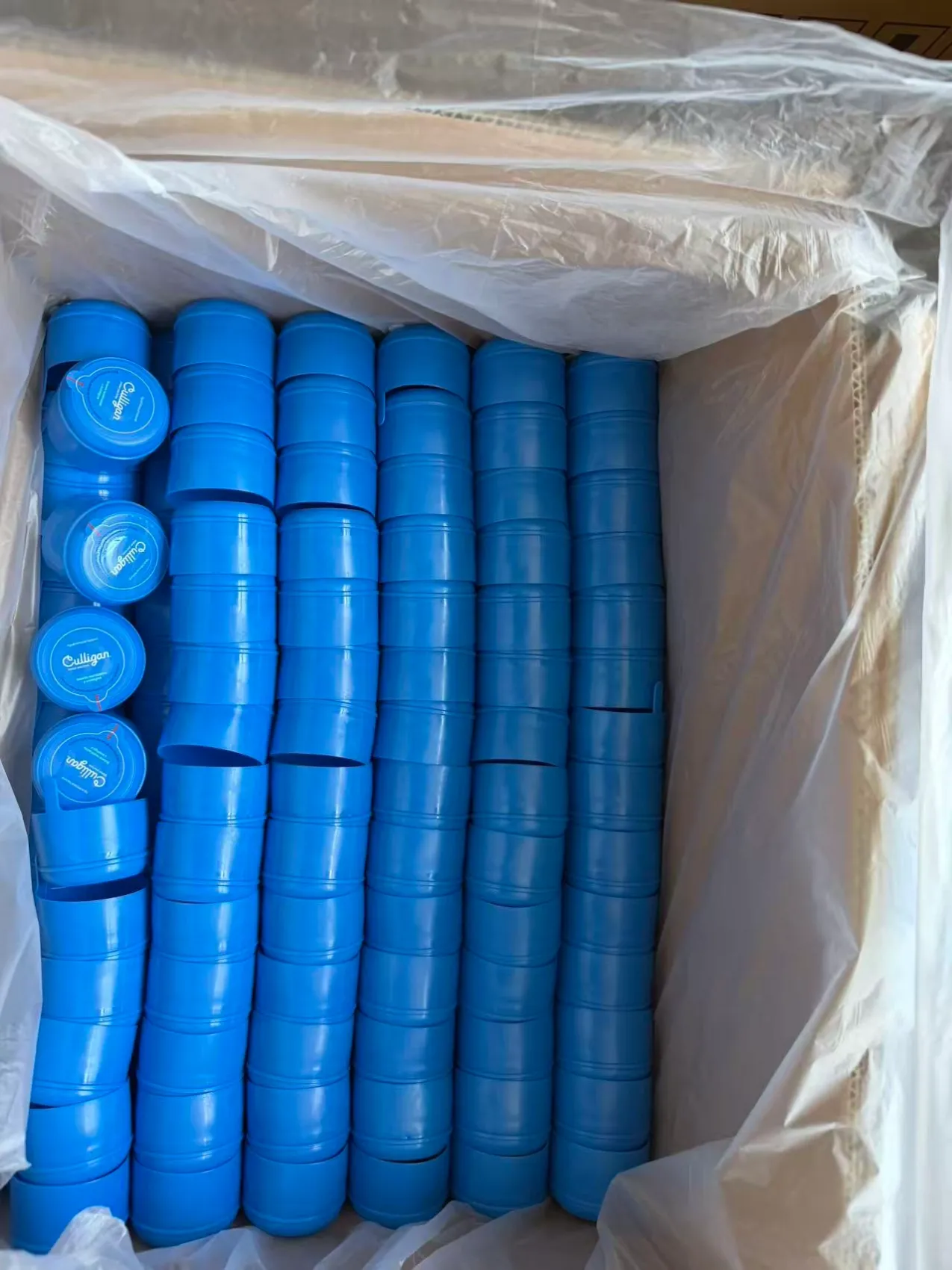
Common causes: deformed cap guide tails from improper packing during shipping; inconsistent cap weight or structure between batches.
What to ask your supplier: how caps are packed for export and whether the packing is designed to hold cap shape through stacking and sea freight; whether they can send a photo of packed cartons before shipment; whether cap weight is controlled batch to batch.
Problem 3: Sealing Fails on Blow-Molded PC Bottle Necks
What it looks like: the same cap that seals perfectly on one bottle type leaks on another, or seals on new bottles but fails on reused ones.
Common causes: PC bottles produced by blow molding can have uneven neck surfaces, rough edges or small molding imperfections. A cap that relies on a perfectly smooth neck will not compensate for this.
What to ask your supplier: whether the cap design accounts for neck surface variation; whether the cap material has enough flexibility to conform to imperfect necks; whether they offer a structure upgrade (for example a leak-proof or petal-opening design) for difficult bottle populations.
Problem 4: Fragments or Loose Inner Plugs
What it looks like: customers report small plastic pieces or a loose plug in the water bucket after opening or after dispenser installation.
Common causes: conventional cap designs that tear on opening; inner plugs that sit loosely in the closure and drop into the bottle.
What to ask your supplier: whether the cap uses a break-open structure that avoids fragments; whether the inner plug is retained in the cap during opening; whether samples are available so you can open 20-30 caps yourself and inspect (samples take 3 days).
Problem 5: Details Block the Order
What it looks like: production cannot start because artwork, color or packing details were not frozen; the delivery date slips even though the factory has capacity.
Common causes: unconfirmed specifications; slow approval loops on logo or carton artwork; mixed standard and custom items in one purchase order.
What to ask your supplier: to lock specifications before samples start; to review artwork during the sample stage (3 days); and to separate custom items from standard items so the custom path does not block the standard one. Standard production runs 15-25 days after order confirmation, with shipping additional - details approved late push the whole schedule.
How Boguan's Process Addresses These Problems
- Freeze specifications, then provide samples in 3 days for testing on the buyer's own bottles.
- Check cap dimensions during production, with inspection records available on request.
- Use export packing designed to protect cap shape in transit, with photos before shipment on request.
- Back the material with documented tests: SGS/FDA reports with 21 CFR 177.1520 and 177.2600 items marked Pass, and extractable, xylene soluble and total extractives marked Pass; FSSC 22000 certified production.
- Review the problem with you if something fails - adjust design or process and re-verify with samples, instead of re-shipping the same product.
Diagnostic Checklist: Match Your Problem to the Fix
- Leaking in transit → check dimension control and test samples on your bottles
- Sorting machine jams → check export packing and ask for carton photos
- Fails on uneven necks → ask about flexible material and structure upgrade options
- Fragments or loose plugs → ask about break-open cap designs and test 20-30 caps yourself
- Schedule slips on details → lock specs early, approve artwork during sampling, split custom items
Describe your problem and send your bottle neck dimensions, cap type and order context - Boguan will reply with a diagnostic view and, where relevant, sample arrangements.